

How Virtual Try-On Technology is Transforming Small Fashion E-Commerce
Small fashion brands face a unique challenge in today's competitive e-commerce landscape: building customer confidence without the resources of large retailers. When customers can't physically touch or try on clothes before purchasing, return rates skyrocket—sometimes reaching 30% or higher for online fashion retailers. Virtual try-on technology is changing this equation entirely, allowing small boutiques to showcase products on multiple body types, skin tones, and styles without hiring expensive models or maintaining large photo shoot budgets.
The shift from static product photos to dynamic, interactive try-on experiences represents more than just a convenience feature. It's a fundamental change in how online fashion brands can compete, build trust, and ultimately drive profitability. For small boutiques operating with lean budgets, this technology levels the playing field against larger competitors.
The Return Rate Problem Virtual Try-On Solves
Returns are the silent profit killer for small fashion e-commerce businesses. When customers order items online, they're essentially making educated guesses about fit, drape, and style. Without seeing how a dress falls on a real body or how a color actually looks on their skin tone, purchasing becomes a gamble. This uncertainty drives the "try it at home" mentality that leads to high return rates.
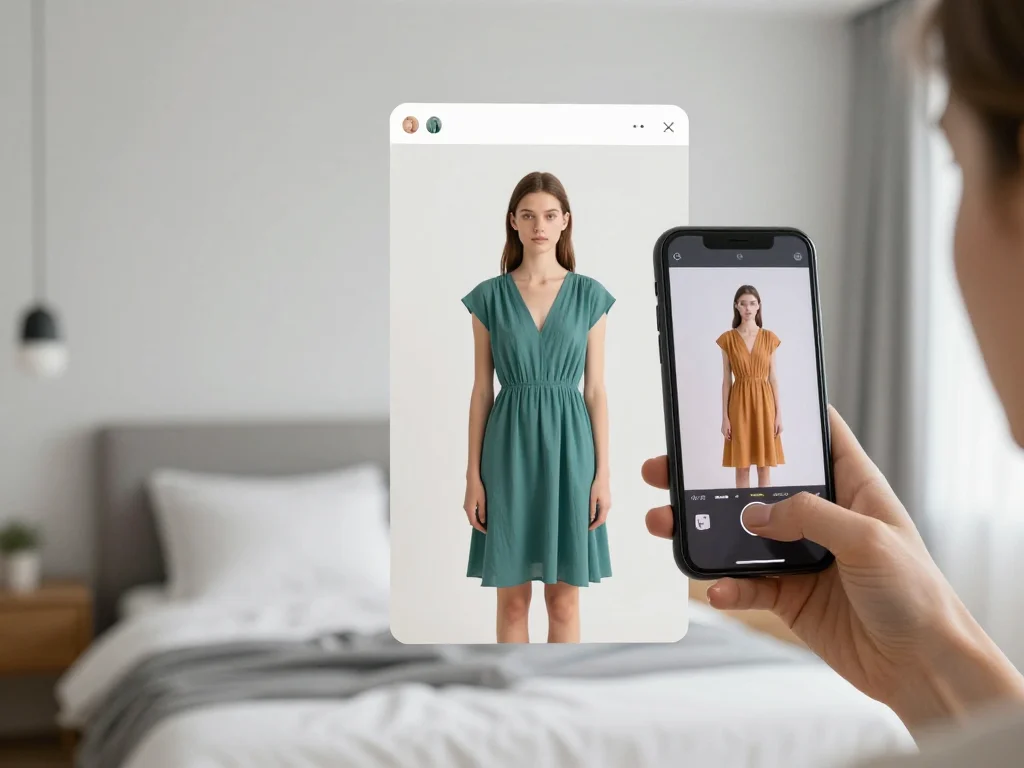
Virtual try-on technology addresses this problem head-on by allowing customers to:. Check out our virtual wedding dress try-on.
- Visualize clothing on multiple body types and sizes
- See how colors appear on different skin tones
- Understand garment draping and fit proportions
- Preview complete outfit combinations
- Gain confidence before completing the purchase
Studies from major e-commerce platforms show that customers who use virtual try-on features have return rates up to 40% lower than those who don't. For a small brand selling 100 items per week at an average value of $50, reducing returns from 25% to 15% means an additional $500 in revenue retention per week—or $26,000 annually.
Cost Savings: Eliminating the Model Photography Budget
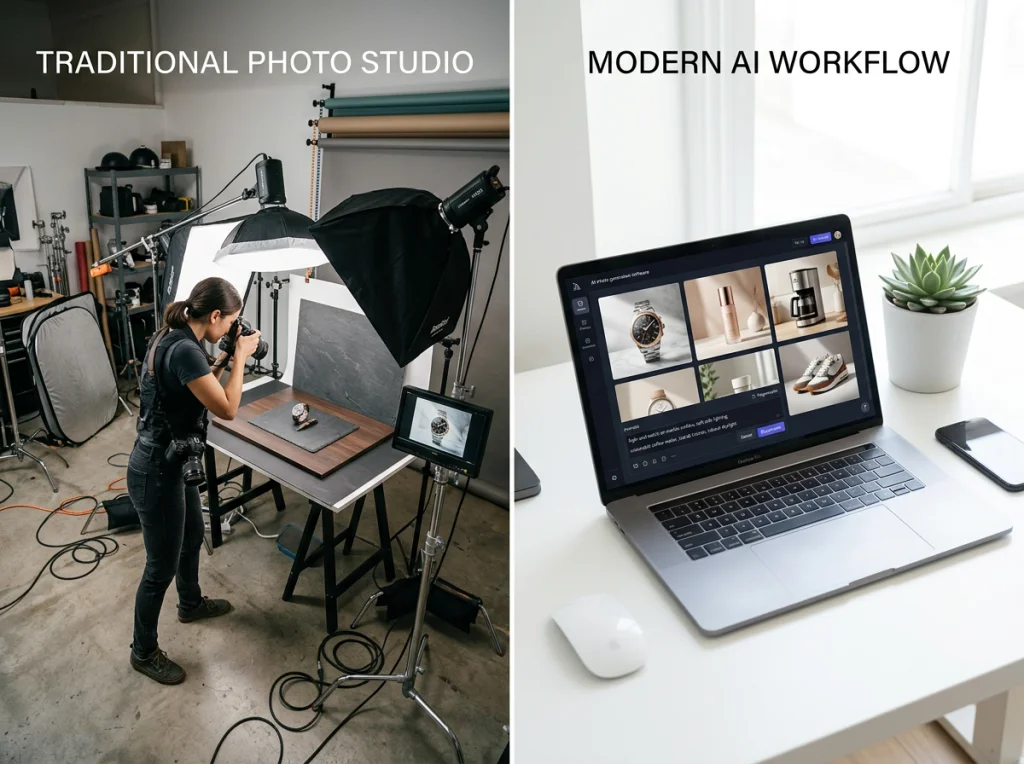
Traditional fashion photography requires hiring models, renting studio space, managing scheduling, and investing in post-production editing. For small brands, a professional product photoshoot with 10-15 different models can easily cost $2,000-$5,000 per session. Multiply that by quarterly updates to your catalog, and you're looking at significant ongoing expenses.
Virtual try-on technology dramatically reduces or eliminates these costs:
- No model hiring fees: AI models work 24/7 without availability constraints
- No studio rental costs: Create diverse presentations from basic studio lighting
- No scheduling delays: Update your catalog instantly without coordinating availability
- No reshoot cycles: Create new looks from existing product images
- Scalable diversity: Show clothing on unlimited body types and ethnicities
Using AI-powered virtual try-on solutions, you can showcase the same dress on 10+ different body types and skin tones using a single product photograph—work that would previously require hiring 10 different models.
Building Customer Confidence and Trust
Small fashion brands often struggle with an implicit credibility gap. Customers wonder: Will this actually look like it does in the photos? Does the brand have real customer testimonials? Virtual try-on technology helps bridge this trust gap in several ways.
When customers can see clothing on multiple realistic body types—including sizes and body shapes that match their own—they feel the brand understands diverse customers. This inclusivity builds trust far more effectively than traditional marketing claims about size inclusivity. It's the difference between saying you're size-inclusive and actually proving it through your product presentation. You can also check out our AI dating profile photos.
Additionally, virtual try-on experiences often increase time-on-site engagement. Customers spend more time interacting with your products, leading to better conversion rates and higher average order values. They're not just buying a single item; they're visualizing complete outfits.
Increasing Average Order Value Through Outfit Bundling
Virtual try-on technology opens up new merchandising opportunities that directly boost revenue. When customers can visualize complete outfits on AI models, they naturally consider purchasing coordinating pieces together.
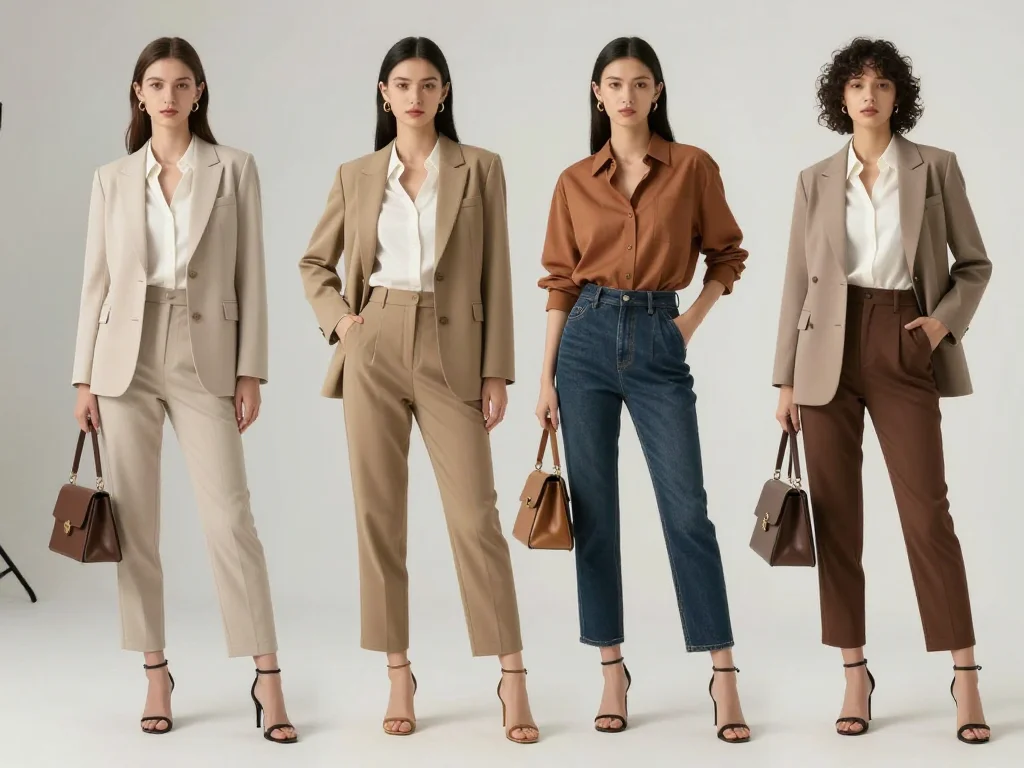
A customer viewing a dress alone might add just that one item to their cart. But when they see the same dress styled with complementary accessories, shoes, and jackets on virtual models, they're more likely to purchase multiple items. This outfit-bundling effect increases average order value by 15-30% for brands that implement virtual try-on effectively.
Small brands can leverage this through strategic styling:
- Showcase each item in 3-5 different complete outfit combinations
- Use AI models to demonstrate layering options and styling versatility
- Create seasonal lookbooks with virtual models wearing coordinated pieces
- Show size variations and how different sizes fit on different body types
Implementing Virtual Try-On: A Practical Guide for Small Brands
Getting started with virtual try-on technology doesn't require technical expertise or massive investment. Here's how small fashion brands can implement this effectively:
Step 1: Choose Your Technology Platform
Look for platforms that offer:
- Simple integration with your existing e-commerce platform
- A diverse library of AI models in various sizes and skin tones
- Quick processing times (customers won't wait for slow renders)
- Affordable pricing for small-scale operations
Step 2: Prepare Your Product Photography
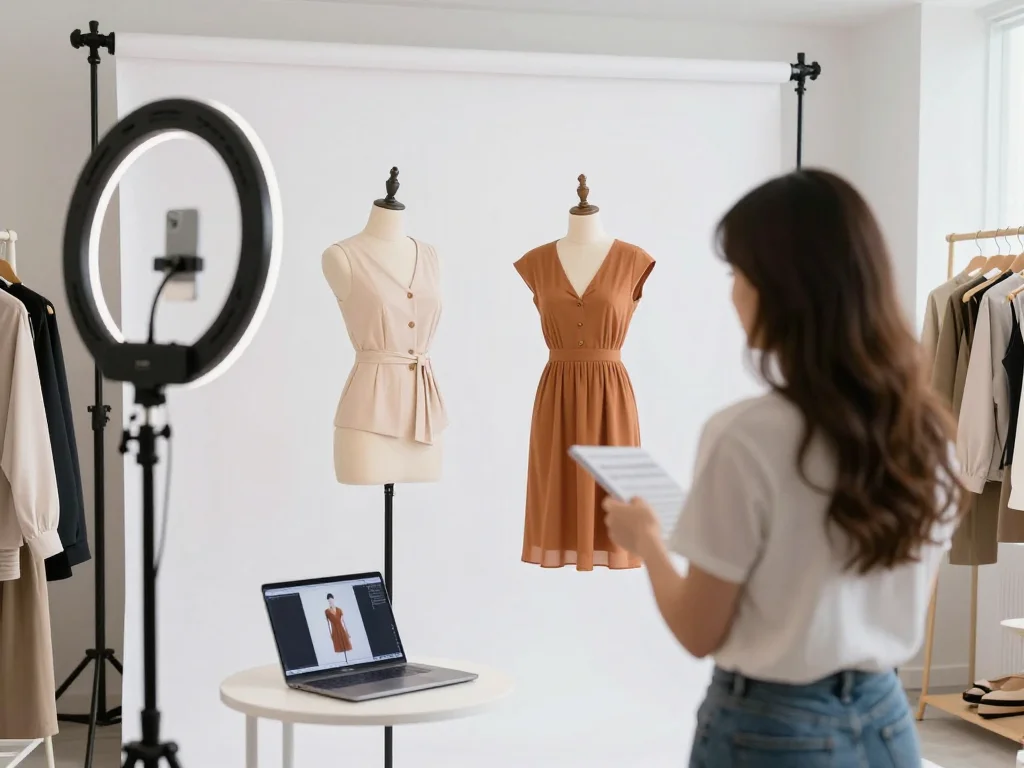
Virtual try-on works best with clean, well-lit product images shot against neutral backgrounds. You don't need professional models—just clear photos of the garment laid flat or on an invisible dress form.
Step 3: Select Your AI Models Strategically
Choose AI models that represent your target customer base. If you sell petite clothing, feature petite models prominently. If your brand celebrates size diversity, make sure your AI model selection reflects that commitment authentically.
Step 4: Integrate into Your Website
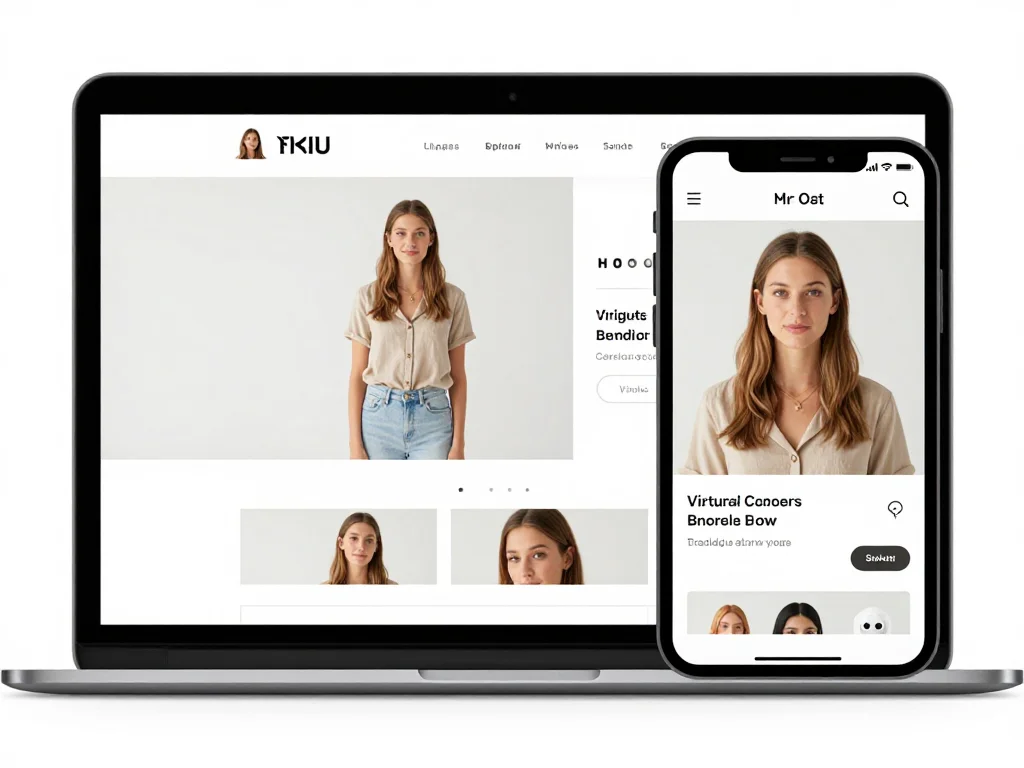
Add the virtual try-on widget to your product pages. The best placement is alongside traditional product images, allowing customers to toggle between them.
The ROI Reality: What Small Brands Actually Experience
Let's look at real numbers. A small fashion brand with the following profile:
- 100 monthly transactions
- Average order value: $75
- Current return rate: 22%
- Monthly revenue: $7,500
After implementing virtual try-on technology, typical improvements include:
- Return rate reduction: 22% down to 14% = $600 saved monthly
- Average order value increase: 3-5% boost from outfit bundling = $225 additional revenue
- Conversion rate improvement: 2-3% increase from better product visualization = 2-3 additional sales monthly = $150 additional revenue
That's roughly $975 in additional monthly profit from implementing virtual try-on—a 13% revenue boost for a tool that typically costs $100-300 monthly for small brands.
Future Trends in Virtual Fashion Technology
Virtual try-on technology continues evolving. Emerging trends include:
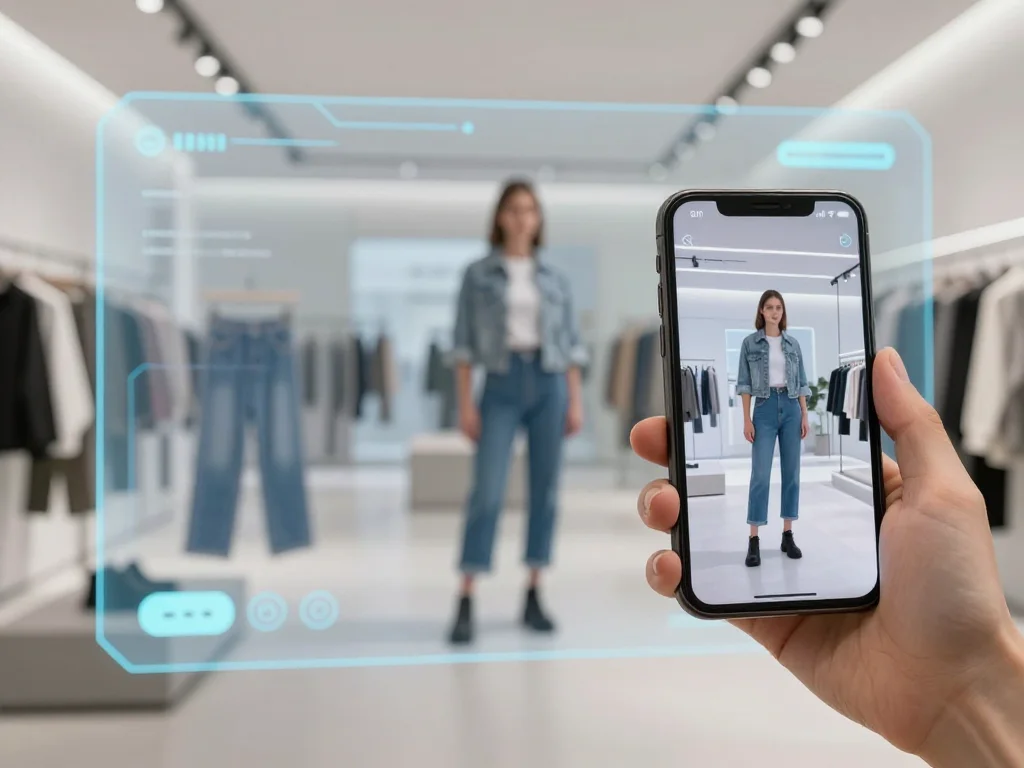
- AR try-on: Using smartphone cameras to see clothes on the customer themselves in real-time
- 3D product rendering: Showing how garments move and drape realistically
- AI personalization: Recommending models that match the customer's body type and preferences
- Video styling: AI models wearing outfits in motion, showing how they move and flow
For small brands staying ahead of the curve, adopting these technologies early provides a competitive advantage that's particularly valuable against larger, slower-moving competitors.
Transform Your Fashion Brand's Future Today
Virtual try-on technology isn't a luxury feature anymore—it's becoming table stakes for competitive fashion e-commerce. Small brands that implement it now gain immediate advantages in reduced returns, lower operational costs, and increased customer confidence.
The best time to start is now. Begin with a single technology platform, implement it on your top 20-30 products, and measure the results. Most small fashion brands see positive ROI within the first 60-90 days.
If you're looking to create additional trust-building content around your products, consider how AI-powered visual content creation can enhance your brand presence. Just as virtual try-on technology allows customers to visualize products in new ways, AI transformation tools can help you create professional product photography and lifestyle imagery without the traditional costs of hiring photographers and models.
Your small fashion brand deserves the same competitive advantages that large retailers have. Virtual try-on technology is your opportunity to level that playing field—and start winning more customers today.