

A great headshot is your single most important marketing tool as an actor. It’s not just a photo; it’s your resume, your first impression, and your key to the audition room. But what truly makes a headshot effective? The answer lies in understanding the specific types casting directors are looking for and the subtle signals each image sends. This guide moves beyond simple descriptions to offer a deep strategic analysis of powerful actor headshots examples.
We will dissect the lighting, posing, and styling choices that define each critical type, from warm, approachable commercial shots to intense, layered theatrical portraits. You will learn to recognize what works and, more importantly, why it works from a casting perspective.
For each example, you’ll find actionable takeaways and practical tips on how to achieve the look. We’ll also show you how to leverage AI tools like Photo AI Studio to generate a diverse and professional portfolio instantly. Whether you are a seasoned professional refreshing your look or a new actor building your brand, this guide will equip you with the knowledge to create headshots that don't just look good, but get you cast. This is your blueprint for creating a portfolio that opens doors.
1. Classic Hollywood Glamour Headshot
The Classic Hollywood Glamour headshot is a timeless style that channels the elegance and sophistication of cinema's golden age. This approach uses soft, diffused lighting to create gentle shadows that sculpt and flatter facial features, emphasizing a polished and aspirational look. Popularized by legendary photographers like George Hurrell for stars such as Audrey Hepburn and Grace Kelly, this style remains a gold standard for theatrical and film casting where a sense of classic beauty and gravitas is desired.
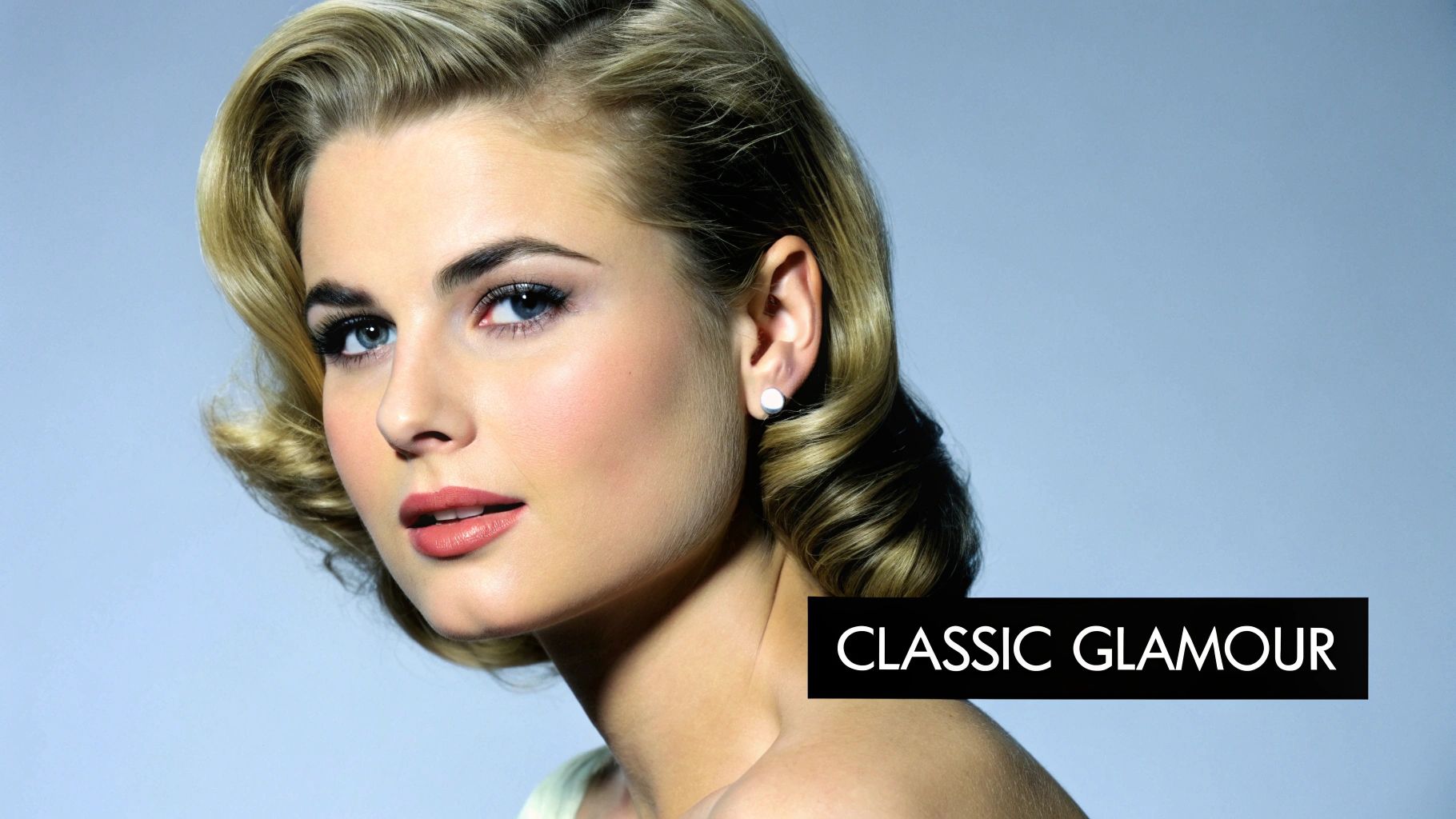
This particular example perfectly captures the essence of glamour photography, making it one of the most compelling actor headshots examples for its strategic use of light and shadow.
Strategic Analysis
- Lighting: The image employs classic "Rembrandt" or loop lighting, where a key light is placed at a 45-degree angle above the subject. This technique creates a small, soft shadow from the nose, adding depth and dimension without being harsh.
- Pose & Gaze: The direct, confident gaze into the camera lens establishes an immediate connection with the viewer. A slight head tilt adds a touch of grace and prevents the pose from feeling static or confrontational.
- Wardrobe & Styling: The simple, elegant styling and classic hairstyle ensure the focus remains entirely on the actor's face and expression. The makeup is polished but not distracting, enhancing natural features.
Actionable Takeaways
This headshot is ideal for actors targeting roles in period dramas, prestige films, or characters that exude sophistication and authority. It communicates professionalism and a classic, leading-role quality that casting directors instantly recognize.
Key Insight: The power of the glamour headshot lies in its subtlety. It's not about dramatic effects but about masterful control of light to create a refined, elegant, and highly marketable image that stands the test of time.
To achieve this look yourself, focus on a single, soft light source and keep the background simple and non-distracting. If you're looking to generate similar visuals digitally, you can explore AI-powered tools. Find out how to create your own Classic Hollywood Glamour Headshot on Photo AI Studio's website.
2. Contemporary Natural Headshot
The Contemporary Natural headshot is the industry standard for modern television, film, and commercial casting. This style prioritizes authenticity above all else, using soft, natural light to showcase genuine personality and character. Unlike overly retouched images, it allows skin texture, freckles, and subtle imperfections to come through, presenting an actor who is real, approachable, and relatable. This look is heavily favored by casting directors for streaming platforms like Netflix and HBO, who seek actors with an authentic and grounded presence.
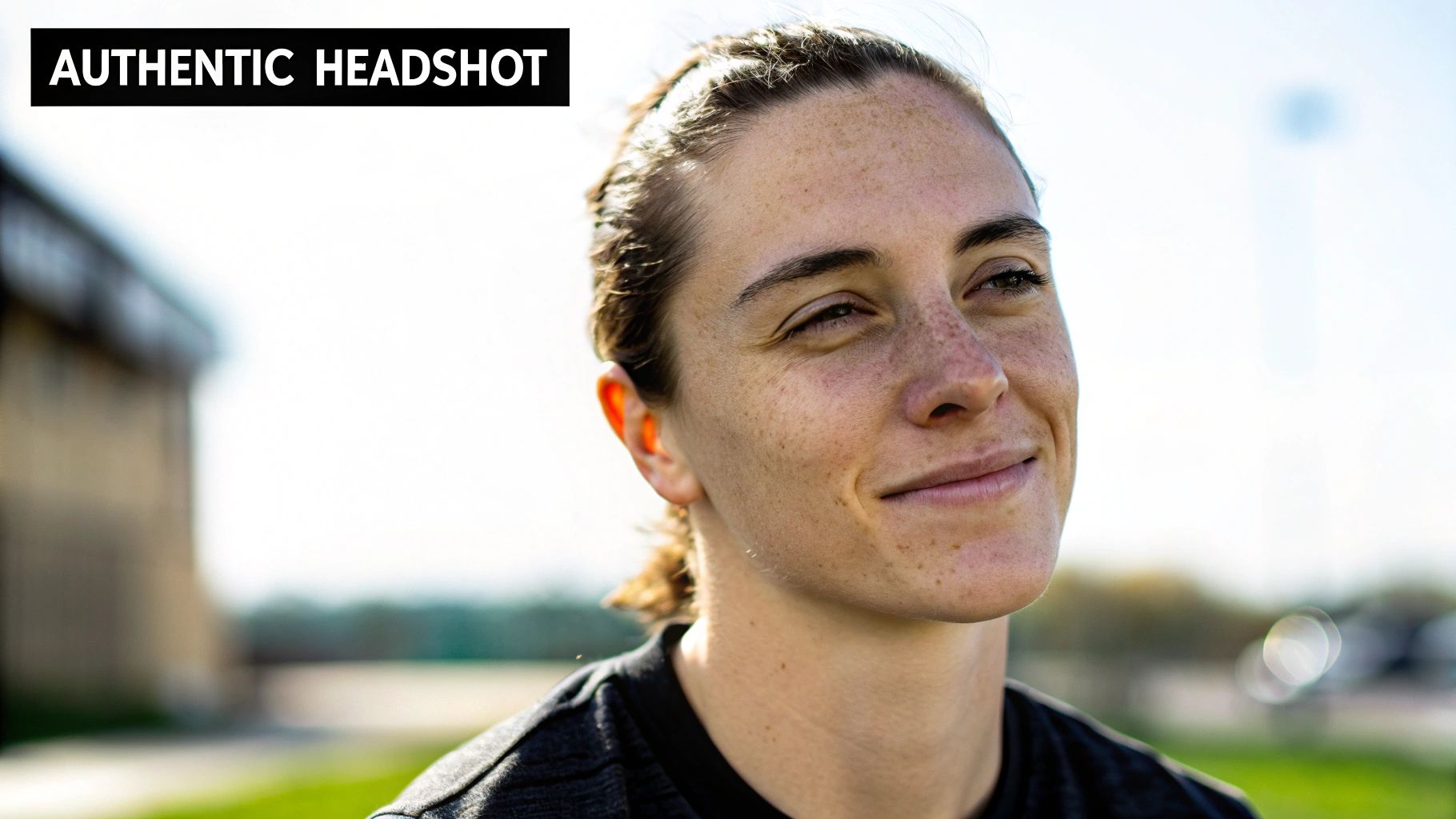
This image is a perfect example of a contemporary headshot, effectively communicating warmth and relatability. It stands out among actor headshots examples for its genuine expression and minimal intervention, making the actor feel both professional and accessible.
Strategic Analysis
- Lighting: The shot utilizes soft, diffused lighting, likely from a large window or a big softbox. This creates even, flattering light that minimizes harsh shadows and highlights the actor's natural features without looking artificial.
- Pose & Gaze: The subject’s gaze is directed slightly off-camera, creating a thoughtful, candid moment. This feels less posed than a direct-to-camera shot and invites the viewer to wonder what the character is thinking, showcasing acting range.
- Wardrobe & Styling: The simple, casual top and minimal makeup reinforce the natural feel. The styling doesn't distract from the actor’s expression, ensuring their personality remains the central focus of the image.
Actionable Takeaways
This headshot is exceptionally versatile, making it ideal for actors targeting roles in television dramas, comedies, independent films, and commercials. It conveys a "best friend," "girl-next-door," or relatable protagonist quality that is currently in high demand.
Key Insight: The goal of the contemporary natural headshot is to look like the best version of your real self on a good day. Authenticity is currency in modern casting; this style shows you as you would likely appear on set.
To replicate this style, shoot in open shade outdoors or near a large window indoors on an overcast day. Focus on capturing genuine expressions and moments. You can also explore digital tools to generate a similar aesthetic. Learn how to create your own Contemporary Natural Headshot on Photo AI Studio's website.
3. Commercial/Print Headshot
The Commercial/Print Headshot is specifically engineered for advertising and marketing. This style uses bright, high-key lighting and often has warm, vibrant color grading to create an image that feels energetic, relatable, and trustworthy. The goal is to present an actor as approachable and authentic, someone a consumer can instantly connect with. It’s the go-to look for roles in television commercials, print ads, and online campaigns where likability sells the product.
This image is a strong example of a commercial headshot because its bright, welcoming energy makes the actor appear friendly and dependable, key traits for brand representation.
Strategic Analysis
- Lighting: The shot employs high-key lighting, which minimizes shadows and creates a clean, even, and optimistic feel. This flatters the subject and ensures the mood is upbeat and positive.
- Pose & Gaze: A genuine, warm smile is the centerpiece. The actor looks directly at the camera, fostering a one-on-one connection with the viewer, as if sharing a friendly moment. The relaxed posture reinforces a sense of ease and confidence.
- Wardrobe & Styling: The casual, simple shirt is a smart choice. It suggests an everyday person without being distracting, allowing casting directors to easily picture the actor in various commercial scenarios, from a family breakfast to a tech ad.
Actionable Takeaways
This headshot is essential for actors pursuing work in commercials, print advertising, or as brand spokespeople. It communicates a marketable and versatile persona that appeals to a broad consumer audience. The key is to convey personality and trustworthiness in a single, inviting glance.
Key Insight: A successful commercial headshot isn't just a photo; it's a marketing tool. It must instantly communicate warmth and relatability, making the actor the perfect "everyperson" to represent a brand.
To create this look, prioritize bright, even lighting and focus on capturing authentic, positive expressions. If you want to generate a variety of commercial-ready looks quickly, AI tools can be a major asset. Discover how to create your own Commercial/Print Headshot on Photo AI Studio's website.
4. Theatrical/Drama Headshot
The Theatrical/Drama headshot is designed to capture an actor's emotional depth and intensity, making it essential for stage, film, and dramatic television roles. This style uses more deliberate, often moodier lighting to create pronounced shadows that highlight character and vulnerability. Unlike its commercial counterpart, the goal is not broad appeal but rather to showcase an actor's capacity for complex, serious, and contemplative roles, from Shakespeare to independent cinema.
This image is a powerful example of a dramatic headshot, using light and expression to hint at a rich inner world, making it a compelling entry among actor headshots examples for its storytelling potential.
Strategic Analysis
- Lighting: The shot employs dramatic split or Rembrandt lighting. A single key light source from the side illuminates one half of the face while leaving the other in deep shadow, creating a high-contrast, cinematic feel that accentuates facial structure and adds a layer of mystery.
- Pose & Gaze: The expression is serious and introspective, with a direct yet thoughtful gaze. This non-smiling approach invites the casting director to see the actor in a more complex, character-driven context, suggesting emotional range and gravitas.
- Wardrobe & Styling: The simple, dark, textured clothing (like a collared shirt or sweater) prevents distraction and keeps the focus on the face and eyes. The styling is natural and grounded, enhancing the sense of authenticity.
Actionable Takeaways
This headshot is indispensable for actors targeting dramatic roles in theater, independent films, and prestige television series. It communicates a strong capacity for nuanced performance and is often what casting directors for serious dramas are looking for.
Key Insight: A theatrical headshot's strength is its ability to tell a story with a single look. It's not about looking "nice"; it's about looking real, complex, and capable of carrying significant emotional weight on screen or stage.
To achieve this style, work with your photographer to create a high-contrast lighting setup. Practice conveying genuine emotion rather than simply "acting" serious. If you're exploring this look digitally, you can find out how to create your own Theatrical/Drama Headshot on Photo AI Studio's website.
5. Character/Comedic Headshot
The Character/Comedic headshot is designed to capture an actor's unique personality quirks, comedic timing, and distinctive character traits. Unlike more neutral headshots, this style uses expressive faces, specific styling, and often more dramatic lighting to tell a story about a character type the actor can portray. Popularized by casting for shows like Saturday Night Live and sitcoms, this headshot immediately signals an actor's range and specific brand of humor, making them memorable to casting directors looking for standout talent.
This image is a strong example of a character headshot, effectively communicating a "quirky intellectual" or "lovable nerd" archetype through a single, engaging expression.
Strategic Analysis
- Lighting: The lighting is clean and even, ensuring the focus remains on the expression. It avoids dramatic shadows that might obscure the actor's features, which is crucial for comedic timing where subtle facial cues are important.
- Pose & Gaze: The slightly wide-eyed, off-center gaze and raised eyebrows create an expression of surprise or curiosity that is inherently comedic. The pose feels natural and unforced, suggesting an authentic personality rather than a staged caricature.
- Wardrobe & Styling: The glasses and well-groomed beard are key props that define the character type. The simple collared shirt keeps the look grounded and prevents the styling from overpowering the performance.
Actionable Takeaways
This headshot is ideal for actors auditioning for sitcoms, comedy sketches, improv troupes, voice acting, and character-driven indie films. It gives casting directors a clear and immediate idea of a specific role the actor can fill, making their job easier.
Key Insight: A successful character headshot captures a specific, marketable "type" without becoming a caricature. The goal is to show personality and range, inviting the casting director to imagine you in a variety of comedic or character-driven scenarios.
To create this look, don't be afraid to experiment with bold, authentic expressions that showcase your unique personality. Work with a photographer who understands comedic timing. If you need a variety of character looks quickly, AI tools can help. Learn how to generate your own Character/Comedic Headshot on Photo AI Studio's website.
6. High-Fashion/Model Headshot
The High-Fashion/Model headshot transcends traditional actor portraits, borrowing heavily from the world of editorial and runway photography. This style is characterized by its bold, often artistic approach, utilizing dramatic lighting, avant-garde styling, and a strong, confident attitude. It’s designed to highlight unique facial features, bone structure, and an actor's ability to embody a specific, high-concept aesthetic, making it perfect for roles in fashion-forward films, luxury brand commercials, or for actors who also work as models.
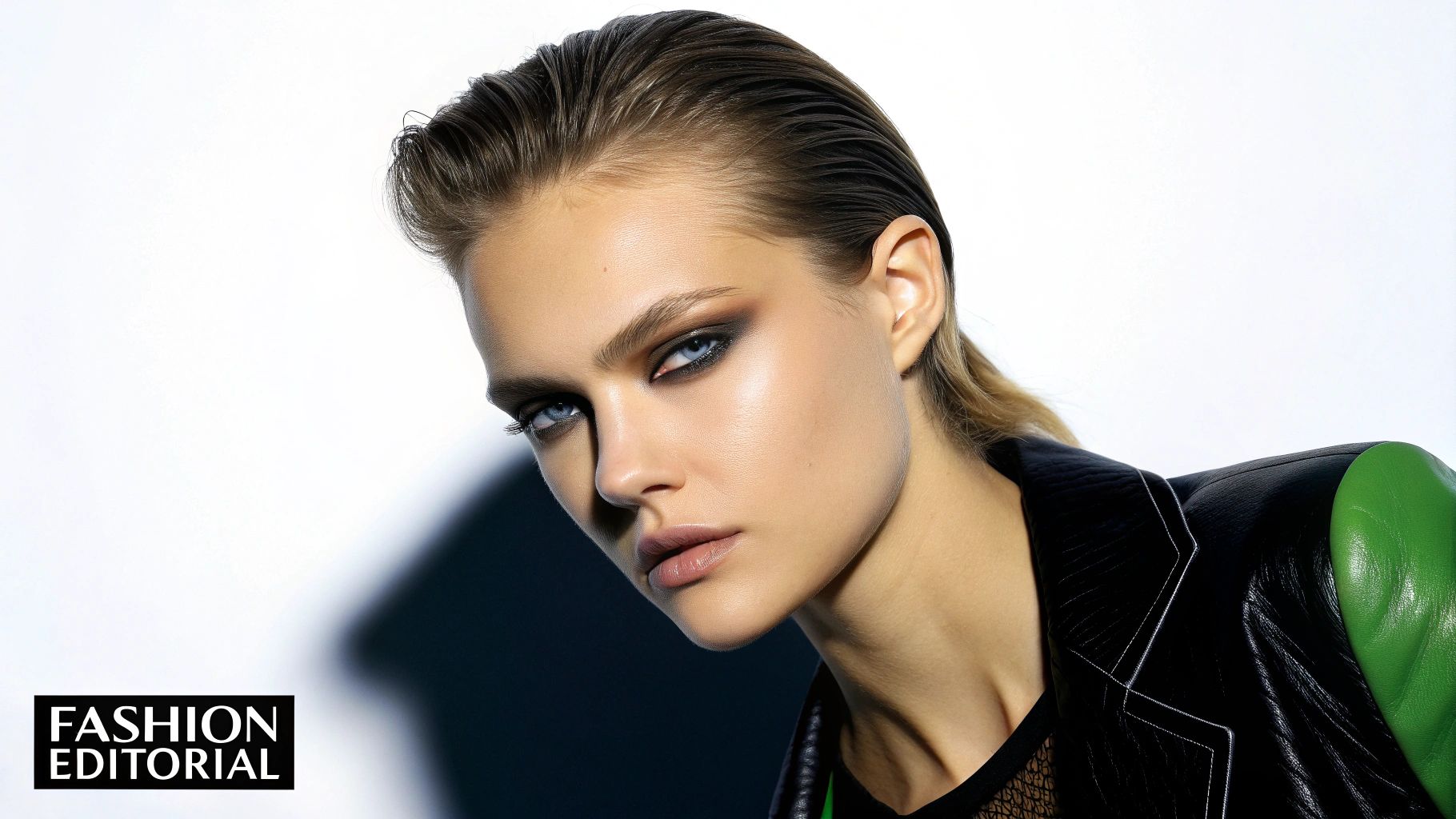
This image is a powerful example among actor headshots examples for its editorial quality, effectively communicating a modern and sophisticated brand.
Strategic Analysis
- Lighting: The shot uses a high-contrast, hard light source, creating defined shadows that sculpt the cheekbones and jawline. This technique is common in fashion photography to create a dramatic, chiseled look that emphasizes angles and form.
- Pose & Gaze: The subject’s pose is unconventional and angled, breaking from the straightforward composition of a typical headshot. The intense, slightly detached gaze is directed just off-camera, creating an aspirational and enigmatic mood often seen in high-fashion editorials.
- Wardrobe & Styling: Hair and makeup are central elements. The slicked-back hair and bold, smoky eye makeup are not just enhancements but key components of the overall concept. This level of styling signals an ability to handle high-concept and visually driven projects.
Actionable Takeaways
This type of headshot is a strategic choice for actors targeting the intersection of film and fashion. It is ideal for castings for luxury brands, music videos, and roles that require a strong, contemporary, and visually striking presence. It tells casting directors that you are not just a performer but a marketable image.
Key Insight: A high-fashion headshot is a statement. It sells a mood and an aesthetic as much as it sells the actor, demonstrating versatility and a readiness for roles that demand a strong, modern visual identity.
To create this look, collaborate with a photographer experienced in fashion and editorial work. To explore this aesthetic digitally, you can experiment with AI tools. Discover how to generate your own High-Fashion/Model Headshot on Photo AI Studio's supermodel page.
7. Self-Tape/Self-Produced Headshot
The Self-Tape or Self-Produced headshot has become an essential tool in the modern actor's toolkit, driven by the rise of digital submissions and remote casting. This practical approach utilizes accessible equipment like smartphones or basic cameras, allowing actors to create timely and specific images for initial submissions, student films, or when a professional session isn't immediately feasible. While not a replacement for a professional shoot, a high-quality DIY headshot demonstrates resourcefulness and preparedness.
The video above provides an excellent tutorial on capturing a professional-looking headshot with just a phone, reinforcing why this is one of the most practical actor headshots examples for today's industry.
Strategic Analysis
- Lighting: The key to a successful self-produced shot is soft, natural light. Facing a large window on an overcast day provides beautiful, diffused lighting that minimizes harsh shadows and flatters the face without complex equipment.
- Background & Composition: A simple, neutral background (a plain wall) keeps the focus on the actor. The composition should follow standard headshot rules: good headroom, cropped at the chest or shoulders, and with the camera positioned at eye level.
- Authenticity: This style's strength is its genuine feel. It presents an unvarnished, current look of the actor, which is highly valued for initial submissions and self-tapes where casting wants to see the real person.
Actionable Takeaways
This headshot is ideal for urgent casting calls, updating a look quickly (e.g., after a haircut), or for roles in indie films and online content where authenticity is prized. It's also a great entry point for actors just starting out. For actors needing to create professional self-tapes from home, mastering your video background is also essential. You can leverage advanced AI tools to change video backgrounds without a green screen to elevate your submission.
Key Insight: A great self-produced headshot isn't about having the best gear; it's about understanding the fundamentals of lighting and composition. Its power lies in its immediacy and authenticity, proving you can deliver a professional image on demand.
To elevate a DIY photo, consider using AI to refine the background and lighting. You can explore how to get a professional headshot for free using simple AI tools.
8. Age-Range Specific Headshot
An Age-Range Specific Headshot is strategically designed to market an actor for roles within a particular age bracket, which may or may not align perfectly with their chronological age. This approach uses deliberate lighting, styling, and expression to authentically represent a target casting type, from a young adult in their early 20s to a mature character role for actors over 60. This is a fundamental concept pushed by talent agents and casting directors to ensure actors are seen for the right parts.
This image is a prime example of an age-range specific photo, clearly communicating a "friendly dad" or "approachable professional" type in the 40-55 age bracket, making it one of the most practical actor headshots examples for targeted submissions.
Strategic Analysis
- Lighting: The lighting is soft and flattering, designed to complement the actor's natural features without trying to erase signs of age. This honesty adds authenticity and character, which is crucial for mature roles.
- Pose & Gaze: A warm, genuine smile and direct eye contact create an immediate sense of trustworthiness and reliability. The slight lean forward suggests engagement and an open, friendly personality.
- Wardrobe & Styling: The simple collared shirt is clean and professional yet casual enough for commercial or theatrical roles. The styling is age-appropriate and supports the specific character type being presented.
Actionable Takeaways
This type of headshot is essential for any actor who wants to work consistently. It clearly communicates to casting directors what roles you are best suited for, removing guesswork and increasing your chances of getting called in. It's crucial to be honest about your casting range and have headshots that accurately reflect it.
Key Insight: Your headshot's primary job is to sell a specific, castable type. Trying to look younger or older than your authentic range can confuse casting directors and limit your opportunities. Embrace your age and character type.
To create an age-specific headshot, consult with your agent or a casting coach to define your target range. Focus on authenticity over vanity. AI tools can help you generate visuals that align with different age brackets to test what looks most marketable before a photoshoot. You can explore how to generate your own Age-Range Specific Headshot on Photo AI Studio's website.
Comparison of 8 Actor Headshot Styles
| Headshot Style | Implementation Complexity 🔄 | Resource Requirements ⚡ | Expected Quality / Impact ⭐📊 | Ideal Use Cases 📊 | Key Advantages / Tips 💡 |
|---|---|---|---|---|---|
| Classic Hollywood Glamour | 🔄 Moderate — controlled studio lighting & polished posing | ⚡ High — studio, pro hair & makeup, retouching | ⭐⭐⭐⭐⭐ Timeless, highly professional; favored for film/theatre | Theatrical/film casting, traditional portfolios | 💡 Elegant & flattering; use 70–85mm, main light 45° above eye level, avoid over‑processing |
| Contemporary Natural Headshot | 🔄 Low — simple, diffused lighting and relaxed direction | ⚡ Low — window/softbox, light grooming, minimal retouch | ⭐⭐⭐⭐ Authentic, relatable; strong for modern casting | TV, streaming platforms, commercial casting, digital submissions | 💡 Emphasize genuine expression; use diffused light, 50–70mm, minimal retouch |
| Commercial / Print Headshot | 🔄 Moderate — high‑key setups and varied expressions | ⚡ Moderate — studio, wardrobe, pro makeup | ⭐⭐⭐⭐ High commercial appeal; conveys approachability and energy | Advertising, catalog, TV commercials, brand talent | 💡 Practice varied smiles/expressions; use higher‑key lighting and polished makeup |
| Theatrical / Drama Headshot | 🔄 High — dramatic lighting and emotional direction | ⚡ Moderate–High — skilled photographer, controlled lighting | ⭐⭐⭐⭐⭐ Demonstrates depth and range; memorable for dramatic roles | Stage/theatre, dramatic film, prestige TV casting | 💡 Focus on eyes/emotion; use Rembrandt or split light, 85mm, rehearse genuine moments |
| Character / Comedic Headshot | 🔄 Moderate — character direction, expressive posing | ⚡ Low–Moderate — photographer experienced in comedic portraits | ⭐⭐⭐⭐ Highly memorable; great for character/comedy casting | Sitcoms, sketch/improv, character roles, animation casting | 💡 Show authentic quirks; prepare multiple character expressions and include some neutral options |
| High‑Fashion / Model Headshot | 🔄 High — editorial lighting, stylized posing and composition | ⚡ High — top photographer, pro styling, advanced retouch | ⭐⭐⭐⭐⭐ Editorial impact; aligns with fashion industry standards | Modeling agencies, runway submissions, luxury brand campaigns | 💡 Invest in styling and photographer; follow trends and update regularly |
| Self‑Tape / Self‑Produced Headshot | 🔄 Low — DIY setup with basic composition rules | ⚡ Low — smartphone/entry camera, natural/LED light, basic editing | ⭐⭐⭐ Functional and accessible; sufficient for initial submissions and indie work | Indie/student films, background/initial submissions, remote auditions | 💡 Use diffused window light, eye‑level camera, portrait mode, keep resolution ≥1200×1500px |
| Age‑Range Specific Headshot | 🔄 Moderate — tailored styling per target age (may need multiple sets) | ⚡ Moderate — stylist + photographer; occasional additional sessions | ⭐⭐⭐⭐ Increases casting relevance and trust; reduces mismatched auditions | Actors targeting specific age brackets (young adult, mature, senior) | 💡 Be honest about casting range; consult agent, update every 3–5 years, consider separate sets for wide ranges |
From Examples to Execution: Crafting Your Winning Headshot Portfolio
We've explored a wide spectrum of powerful actor headshots examples, from the classic Hollywood glamour to the authentic self-tape and the specific nuances of commercial versus theatrical styles. The goal was not simply to show you pretty pictures, but to deconstruct what makes each image a strategic tool in an actor's arsenal. You now have a blueprint for understanding the language of a headshot: how a subtle shift in lighting can change the mood, how wardrobe choices define character types, and how a genuine expression can create an instant connection with a casting director.
Key Takeaways for Your Portfolio
The most crucial insight is that a single headshot is no longer enough. A modern actor's portfolio must showcase versatility and target specific markets.
- Foundation First: Every actor needs two non-negotiable shots: a compelling, emotionally rich theatrical headshot for dramatic roles and a bright, approachable commercial headshot for advertisements and print. These are your workhorses.
- Brand Yourself: Beyond the basics, your other headshots should intentionally build your unique brand. Are you the quirky best friend, the dependable professional, or the edgy anti-hero? Use character, lifestyle, and even corporate headshots to answer that question visually.
- Technical Mastery Matters: As we analyzed in each example, the details are everything. Pay close attention to the interplay of lighting (soft vs. hard), background (blurred vs. environmental), and composition (tight crop vs. three-quarter). These elements are not accidental; they are deliberate choices that signal your professionalism and understanding of the industry.
Your Actionable Next Steps
Understanding these actor headshots examples is the first step; now it's time for execution. Use this knowledge to audit your current portfolio or plan your next session with precision.
- Define Your Casting Goals: Before you book a photographer or generate an image, write down the specific types of roles you want to land. Are you targeting network dramas, sitcoms, or national commercials? Your answer will dictate the styles you need to prioritize.
- Create a Mood Board: Revisit the examples in this article that align with your goals. Save them and use them as a visual guide. Discuss the lighting, expressions, and wardrobe with your photographer or use them as style references in an AI generator to ensure you get the exact look you need.
- Think Beyond the Session: Your headshots are dynamic assets. Once you have them, you need to present them effectively. Your online casting profiles, personal website, and social media presence all contribute to your professional image. Beyond the headshot itself, consider learning some basic tips for creating engaging social media graphics to ensure your promotional materials look polished and professional across all platforms.
Ultimately, your headshot is your calling card. It’s a micro-story that communicates your essence, your range, and your professional readiness in a single frame. By strategically curating a portfolio based on the successful examples we've reviewed, you transform your headshots from simple photos into powerful career-advancing tools that open doors and get you in the room where it happens.
Ready to put these concepts into practice without the expense of a traditional photoshoot? Photo AI Studio allows you to generate a diverse portfolio of professional, high-quality actor headshots in various styles. Use what you've learned to create the exact commercial, theatrical, and character looks you need to land your next audition. Get started at Photo AI Studio and take control of your casting first impression.